Source IP67 Stainless Steel Temperature Sensor for Industrial
Source 30 verified options for the ip67 stainless steel temperature sensor suitable for liquid, gas, and steam monitoring. Buyers can compare models like WZPK78HSA1MX and HTM708 based on measuring ranges and wiring methods to find the right fit for high-pressure applications.
Key considerations
Products List



Comprehensive Sourcing Guide
IP67 Stainless Steel Temperature Sensor Sourcing Guide
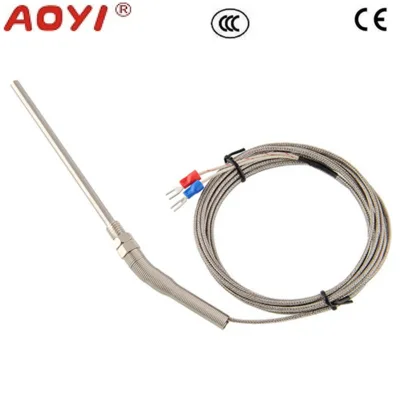
Procuring IP67 stainless steel temperature sensors requires a disciplined approach to matching environmental demands with sensor construction. These devices are engineered to withstand harsh industrial conditions, offering robust protection against dust ingress and temporary water immersion. The stainless steel housing, often utilizing grades like 304 or 316, provides essential corrosion resistance for outdoor or chemical-exposed environments. Buyers must prioritize the integrity of the sealing mechanisms to ensure long-term reliability in wet or dusty settings.
The selection process involves balancing electrical output requirements with physical installation constraints. Modern sensors offer diverse wiring configurations, including two-wire, three-wire, and four-wire systems, which directly impact signal accuracy and installation complexity. Digital and analog output options further dictate compatibility with existing control systems. Understanding these technical nuances ensures that the selected sensor integrates seamlessly into the broader instrumentation network without requiring extensive retrofitting or additional signal conditioning hardware.
Product Scope and Observed Listing Signals
Market listings for these sensors reveal a wide spectrum of models, ranging from basic thermocouples to advanced digital transmitters. Observed product codes such as WZPK78HSA1MX and HTM708 indicate specialized variants tailored for specific mounting styles or output types. The presence of site display options, including LCD screens, suggests a trend toward user-friendly local monitoring capabilities. Buyers should carefully review model suffixes to distinguish between wall-mounted current types and other form factors that may not suit their spatial requirements.
Customization is a prevalent feature in this category, allowing suppliers to adapt sensors to unique mechanical or electrical needs. Attributes like "Customized" and "Integration" highlight the flexibility available for bespoke industrial applications. However, this flexibility requires clear communication of specifications during the inquiry phase. Buyers must verify whether the listed IP rating applies to the entire assembly or just the connector, as this distinction significantly affects the overall environmental protection level of the installed unit.
Technical Specifications to Verify
Temperature range is a critical parameter that must align with the process medium. Available models cover ranges from -200°C to 1500°C, accommodating everything from cryogenic applications to high-heat industrial furnaces. The sensing element, often PT100 or PT1000 thermal resistance, determines the linearity and stability of the measurement. Buyers should confirm the specific sensor type, such as resistive or thermocouple, to ensure compatibility with the expected temperature fluctuations and accuracy requirements of their specific process.
Accuracy and stability specifications directly influence measurement reliability over time. Typical accuracy classes, such as Class B, provide a baseline for precision, while long-term stability figures like 0.2%FS per year indicate drift characteristics. The output signal, whether 4-20mA DC or digital, must match the input capabilities of the receiving PLC or DCS. Additionally, the working temperature of the sensor electronics, often rated between -30°C and 70°C, must be considered to prevent internal component failure in extreme ambient conditions.
Compliance and Safety Documentation
Explosion-proof certifications are vital for sensors deployed in hazardous areas. Models with classifications like Exd Iict6 are designed for use in environments with explosive gases or dust. Buyers must verify that the sensor’s certification matches the specific zone classification of their installation site. This documentation ensures that the device will not ignite flammable atmospheres, thereby maintaining workplace safety and regulatory compliance. Proper certification labels and test reports should be requested from the supplier before finalizing the purchase.
Electrical connection standards also play a crucial role in system integration. DIN43650 connectors or direct cable outlets are common interfaces that affect installation speed and maintenance ease. Buyers should ensure that the chosen connection method is compatible with existing junction boxes and conduit systems. Furthermore, verifying the insulation resistance and dielectric strength of the sensor is essential to prevent electrical faults, especially in high-vibration or high-moisture environments where cable integrity is frequently compromised.
Cost Drivers and Commercial Terms
Pricing for these sensors varies significantly based on material quality, accuracy class, and output type. Stainless steel grades, such as 316L, command higher prices than standard 304 steel due to superior corrosion resistance. Digital transmitters with integrated signal conditioning are typically more expensive than simple resistive elements. Buyers should evaluate the total cost of ownership, considering that higher-quality sensors may reduce downtime and maintenance costs over their lifespan, justifying the initial premium.
Minimum order quantities (MOQ) and lead times are key commercial factors influencing procurement strategy. Observed MOQs range from single units to thousands, allowing for both prototype testing and large-scale deployment. Customization requests may extend lead times, so buyers should plan their procurement schedule accordingly. Payment terms and warranty periods should be clearly defined in the contract to mitigate financial risk. Understanding these commercial dynamics helps in negotiating favorable terms that align with the project’s budget and timeline constraints.
Supplier Qualification and Quality Control
Supplier verification is essential to ensure product consistency and reliability. Buyers should request evidence of quality management systems, such as ISO 9001:2015 certification, to confirm standardized manufacturing processes. Factory audits or third-party inspections can provide additional assurance of production capabilities and quality control measures. Suppliers with a proven track record in industrial instrumentation are more likely to deliver products that meet specified technical requirements consistently.
Quality control procedures should include rigorous testing of each sensor before shipment. Buyers should inquire about the testing protocols for accuracy, insulation resistance, and environmental sealing. Batch testing records and calibration certificates should be provided with each order. Additionally, suppliers should offer clear return policies and technical support to address any defects or performance issues. Establishing a strong relationship with a qualified supplier ensures a reliable supply chain and consistent product quality for ongoing procurement needs.
Long-Term Procurement Checks
Regular performance monitoring is crucial for maintaining measurement accuracy in critical applications. Buyers should establish a schedule for periodic calibration and verification of installed sensors. Drift in accuracy or changes in output signal can indicate sensor degradation or environmental damage. Keeping detailed records of sensor performance over time helps in predicting replacement needs and optimizing maintenance schedules. This proactive approach minimizes unexpected failures and ensures continuous process control.
Supply chain resilience should be assessed periodically to mitigate risks associated with component shortages or supplier disruptions. Diversifying the supplier base or maintaining safety stock of critical sensor models can enhance operational continuity. Buyers should also stay informed about technological advancements in sensor technology, such as improved materials or digital communication protocols. Regularly reviewing procurement strategies against evolving industry standards ensures that the organization remains competitive and compliant with the latest safety and performance requirements.
FAQs
What temperature ranges do these sensors support?
These sensors support a wide measuring range from -200 to 650 degrees Celsius. Some models extend up to 1500 degrees Celsius for high-temperature applications. The operating temperature is typically -30 to 70 degrees Celsius, ensuring reliable performance in various industrial environments and extreme conditions.
Which output signals are available for these devices?
Available output signals include 4-20mADC or three-wire voltage. The devices support both digital and analog output types. Wiring methods include two-wire, three-wire, and four-wire systems, providing flexibility for different integration requirements and control systems in industrial automation setups.
Can these sensors be customized for specific needs?
Yes, customization is available for these temperature sensors. Buyers can specify models like WZPK78HSA1MX or HTM708. The production process involves integration, allowing for tailored solutions. Customized options ensure the sensor meets exact application requirements, including specific sensing types and accuracy levels.
What materials are used for the protecting tube?
The protecting tube is made from 304 or 316 stainless steel. These materials ensure durability and resistance to corrosion. The sensors are suitable for high pressure and high temperature environments. This construction supports reliable measurement in liquid, gas, steam, and solid media applications.
What accuracy levels are provided by these sensors?
Accuracy levels include B class and 0.5%FS. Long-term stability is rated at 0.2%FS per year. These specifications ensure precise temperature monitoring. The sensors utilize PT100 or thermal resistance elements, providing consistent performance for critical industrial temperature measurement tasks.
How are these sensors packaged for shipping?
Sensors are packaged in carton packing. This method protects the devices during transit. The standard unit is PCS. This packaging ensures safe delivery of sensitive electronic components. Buyers receive products securely packed to prevent damage upon arrival at their facility.